
Positive Environmental Impact Assessment decision issued for Curonian Nord offshore wind farm
Ignitis Renewables, an international green energy company, has reached another major milestone in the development of the Curonian Nord offshore wind farm. The Environmental Protection Agency has issued a positive decision on the project’s environmental impact, confirming that the project can be implemented, provided the mitigation measures set out in the decision are followed.
The Environmental Impact Assessment (EIA) report was prepared in accordance with the legislation of the Republic of Lithuania and international standards. It is aimed at evaluating a potential impact on marine ecosystem, biodiversity, landscape, fishery, public health and other environmental and social factors.
“The positive decision is a significant milestone for the Curonian Nord project. It confirms that, following extensive environmental studies, stakeholder engagement and close cooperation with the responsible authorities, the project can move forward while ensuring high environmental standards. We appreciate the contribution of everyone involved in this process,” says Anne-Marie Roikjær, Project Director for Curonian Nord.
Throughout the EIA process, the team carried out extensive environmental studies, engaged with local communities and stakeholders and worked closely with authorities to ensure the project meets both national and international environmental requirements.
The decision sets out a comprehensive package of mitigation measures and conditions, which are based on the impact reduction measures assessed and developed during the EIA process. These measures will help reduce potential impacts on biodiversity and marine ecosystems during the construction and operation of the wind farm while ensuring long-term environmental monitoring and the application of adaptive management principles.
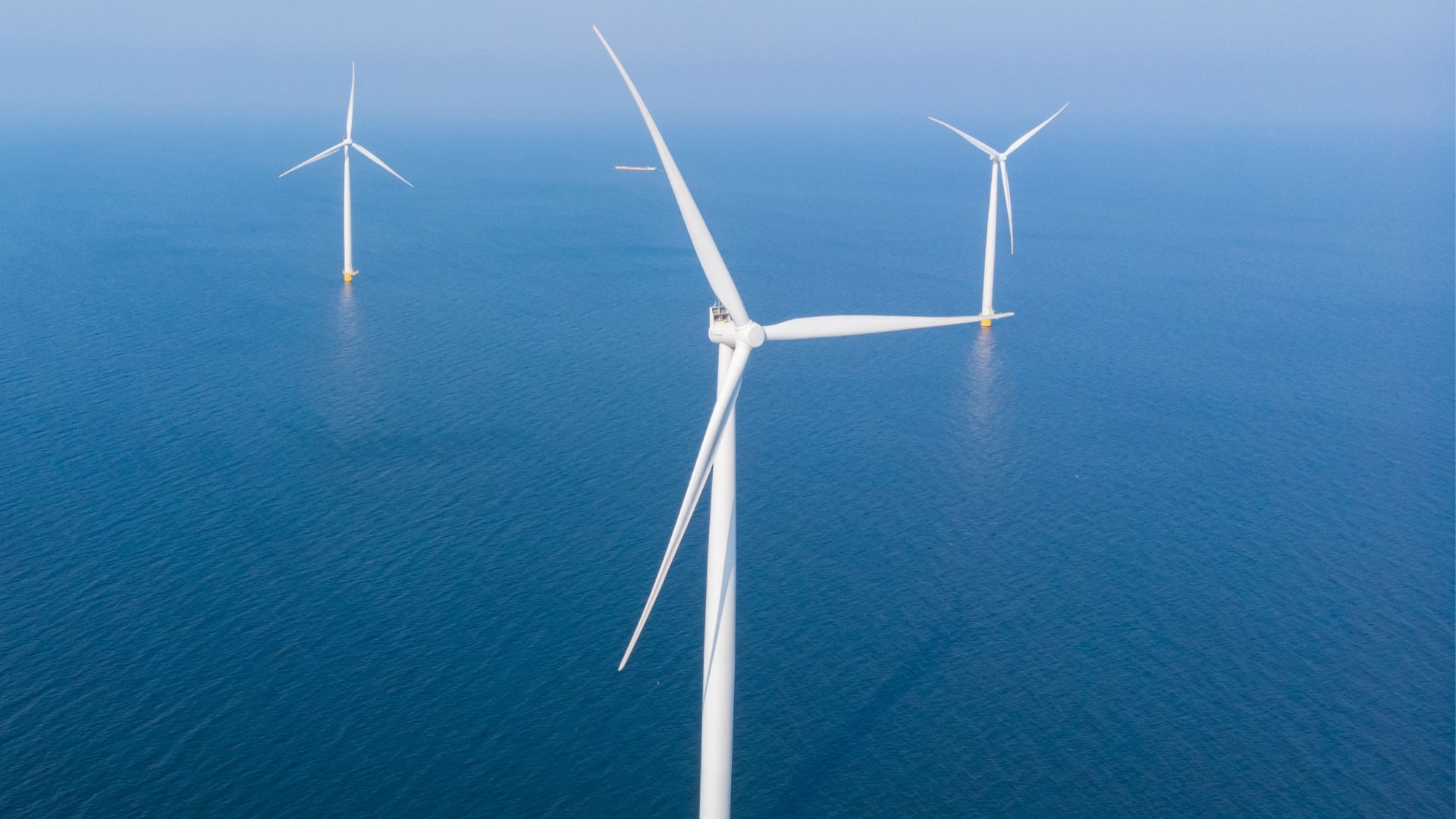
Curonian Nord wind farm will cover an area of about 120 square kilometres in the Baltic Sea and will be positioned least 37 km away from the Lithuanian coast. It is estimated that the 700-megawatt (MW) wind farm could generate around 3 terawatt-hours (TWh) of green electricity per year.
The positive EIA decision provides the environmental basis required for the project to progress through the remaining development and permitting stages and brings Lithuania’s largest wind project another step closer to delivery. Following this approval, and in line with the regulations set out in the development permit, the project will continue with the remaining development and permitting activities required ahead of obtaining the construction permit, which is expected in 2027.